
The symptoms, such as headache, nausea, and fatigue, are usually at their worst when blood alcohol levels drop and the body processes the alcohol’s toxic byproducts. The duration of a hangover varies, generally lasting from a few hours to up to 24 hours. Mild symptoms like headache and fatigue might improve with hydration, rest, and food within a few hours.
Is it true that 2-day hangovers get worse with age?
This can damage DNA, which is most likely how alcohol causes the increased risk of cancer. Plus, alcohol can also lead to the development of polyps (benign growths) in the colon that have the potential to turn into colorectal cancer,’ says Dr Tang. It’s thought that dehydration is the source of many hangover symptoms, so the key to recovering as quickly as possible is rehydrating. The 2-day hangover, as any one over the age of 30 will tell you, is real. Drinking too much alcohol can make a hangover worse and increase the risk of chronic health issues. In addition, symptom management can help alleviate the specific symptoms of a hangover.
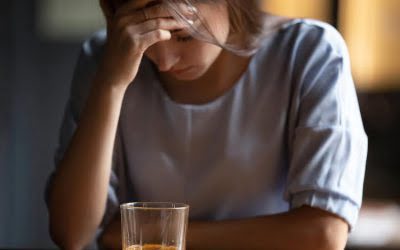
How Long Does a Hangover Last? Understanding Symptoms and Relief
If you have questions or need assistance, contacting your insurance provider directly can provide clarity on what is covered under your plan. A hangover can cause a range of unpleasant symptoms such as headache, fatigue, and nausea. As stated in the “Causes” section, certain alcohols have different hangover-causing properties based on their congener content. If you are particularly predisposed to hangovers, it may be worthwhile to experiment with alcohols that have low congener content, such as beer, vodka, and white wine.
How to cure a hangover
Depending on the amount of alcohol consumed, hangover symptoms can range from mild to severe and typically resolve within a few hours, but may persist for a day or two. A cold water shower, lasting about 1-3 minutes, may provide relief from some of how long do hangovers last your hangover symptoms. You may find yourself craving a sugary fix, but don’t give in.
Before you call it a night, drink plenty of hydrating fluids
Hangovers can vary widely in their duration and severity, influenced by factors such as how much alcohol is consumed, the type of alcoholic beverages, and individual health conditions. Severe hangovers can lead to dehydration symptoms, upset stomach, and even low body temperature. Recognizing the symptoms and knowing how to reduce nausea, stop drinking early, and manage hangover cures like drinking water or fruit juice can make a significant difference. If hangovers begin to interfere with daily life, or if there are signs of alcohol use disorder or alcohol poisoning, it’s essential to seek help. By understanding the body processes alcohol and the impact of drinking heavily, you can take steps to ensure that your consumption of alcoholic drinks doesn’t lead to dangerous consequences.
The fact that we feel worse after the alcohol has left our bodies has long been a mystery to researchers. Everybody’s different, and therefore the length of a hangover will vary from person to person. Typically, hangover symptoms will not last longer than 72 hours, though many people will stop experiencing them after 24 hours. To alleviate a hangover, stay hydrated, rest, and eat a balanced meal. Over-the-counter pain relievers can help but should be used cautiously.

- Alcohol cuts down REM sleep (where your brain processes memories) and increases deep slow-wave sleep in an imbalanced way.
- Opting for clearer drinks like vodka, gin, or white wine may lead to a less intense morning after.
- You might be surprised by the results and the financial benefits of cutting back, which you can estimate with a cost savings calculator.
- Although you can officially kiss your hangover good-bye after about 24 hours, the alcohol you consumed might produce some lingering after-effects—especially if you over-indulge on a regular basis.
The type of alcoholic https://ecosoberhouse.com/ beverage consumed, and what it’s consumed with, can also impact blood sugar levels. Drinks with high sugar content can initially spike blood sugar, followed by a sharp drop. Moreover, if alcohol is consumed on an empty stomach, the risk of hypoglycemia increases as there’s no accompanying food to stabilize glucose levels.
The Importance of Medical Supervision
It’s all uphill from here, even though it feels like a slow burn during your day of recovery. Did you know that, on average, your body can process about one alcoholic drink per hour? If you drink more than that, you’re increasing the chance of a hangover the day after. Some people can enjoy Twelve-step program just one glass of wine and reel from a hangover headache the next day while other people can drink to excess and feel fine the morning after.